Isle of Dogs bulky rubbish pickup for house clearances
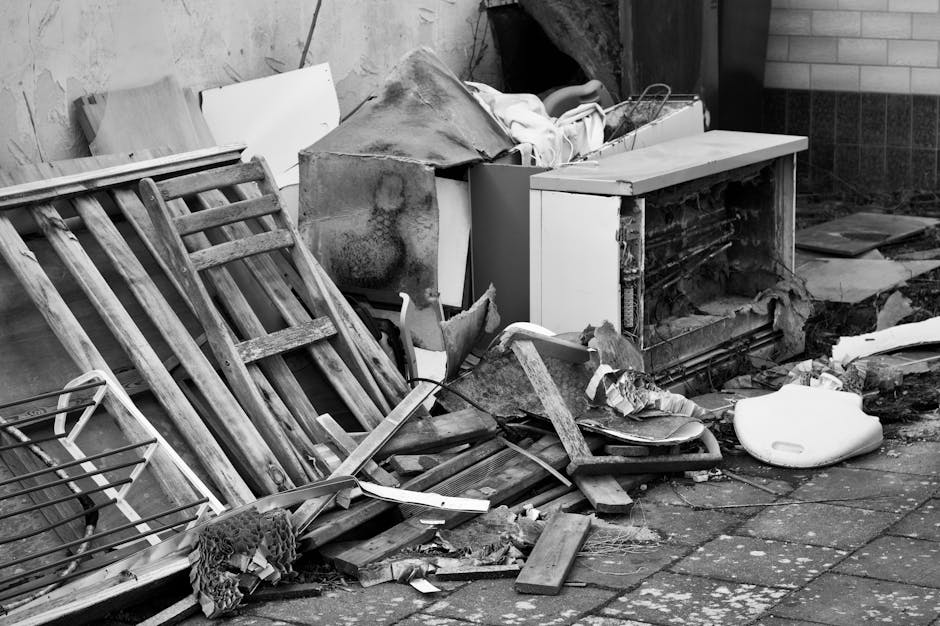
If you are sorting out a property and suddenly realise the "stuff" has taken over, you are not alone. An Isle of Dogs bulky rubbish pickup for house clearances is often the simplest way to clear out old furniture, broken appliances, bagged waste, and those awkward items that never seem to fit anywhere. Whether you are preparing a flat for sale, helping a relative downsize, or simply reclaiming a spare room that has quietly become a storage cave, the right clearance plan saves time, stress and more than a few sore backs.
House clearances are rarely neat. There is usually a mix of bulky items, light rubbish, and a few things you are unsure about. Do you need a skip? Would a wait-and-load service be faster? Is grab hire better for a tight street on the Isle of Dogs? In this guide, we will walk through the practical side of bulky rubbish pickup, what to expect, how to avoid common problems, and how to choose the most sensible option for your home clearance.
Why Isle of Dogs bulky rubbish pickup for house clearances Matters
House clearances on the Isle of Dogs come with a few local realities that matter. Space is often limited, parking can be awkward, and access may involve tight roads, shared entrances, lifts, or narrow stairwells. That means bulky rubbish is not just an annoyance; it can become the main obstacle to getting the job done properly.
Think of the items that create the most friction: wardrobes, mattresses, sofas, broken shelving, white goods, carpet offcuts, bagged mixed waste, and old toys or household clutter that somehow multiplies in the back of a cupboard. A bulky rubbish pickup helps remove all of that in one organised sweep rather than turning the clearance into a string of small, frustrating trips.
It also matters because a house clearance is usually time-sensitive. You may be working around a moving date, an end-of-tenancy deadline, probate arrangements, renovation work, or a sale. The longer the waste sits there, the more it gets in the way. And let's face it, once the room is half-cleared, it can look worse before it looks better.
For many homes, a pickup-led approach is simply more practical than trying to DIY every item yourself. If you want a general clearance starting point, house clearance services can help frame the job properly. If the issue is more about mixed household waste and large one-off items, rubbish removal is often the most direct route.
How Isle of Dogs bulky rubbish pickup for house clearances Works
In simple terms, bulky rubbish pickup is a collection service for items that are too large, awkward or heavy for standard domestic bins. The exact approach depends on the property, the amount of waste, and how quickly you need it gone.
Most jobs follow a fairly straightforward pattern:
- Assess the waste - You list or photograph the items to be removed, including furniture, appliances, and general rubbish.
- Choose the method - A collection team may use man and van, wait-and-load, grab hire, or a skip depending on access and volume.
- Plan access - On the Isle of Dogs, this is a big one. Shared courtyards, permit pressure, loading bays, and limited roadside space can all affect the plan.
- Remove the waste - The crew loads the items safely, separating reusable or recyclable material where possible.
- Dispose responsibly - Waste should go through proper transfer and recycling channels, not just be tipped somewhere convenient. That part matters a lot.
If your clear-out includes a mix of junk and furniture, man and van collection can be a neat option. If access is really limited and you need the waste gone without a skip sitting outside, wait and load skip hire is often worth considering. It is a bit like a timed clearance window: the vehicle arrives, you load, and everything goes in one go.
Some households prefer a more contained setup for privacy or security, especially if they are clearing papers, tenancy items, or mixed contents in a property with public-facing access. In those cases, enclosed and lockable skip hire can be helpful, though it is better suited to jobs where a skip makes sense physically.
Key Benefits and Practical Advantages
A good bulky rubbish pickup does more than remove unwanted items. It helps the whole clearance feel manageable. That sounds obvious, but in the middle of a full house clear-out, manageable is everything.
- Less physical strain - Heavy lifting is reduced, which matters if you are dealing with stairs, tight hallways or items like wardrobes and sofas.
- Faster turnaround - A single collection is usually quicker than repeated trips to disposal sites.
- Better use of space - Once the bulky stuff is gone, the property becomes easier to sort, clean and stage.
- More suitable for local access challenges - On streets where parking is tight or loading is awkward, a collection-led approach can be less disruptive.
- Cleaner handover - This is useful before moving, letting, refurbishing or selling.
- More responsible disposal - Reputable operators will sort waste into recyclable, reusable and residual streams where possible.
There is also a psychological benefit. Once the bulk of the clutter is gone, the job stops feeling like a mountain and starts feeling like a series of small, finishable tasks. You notice the floor again. A patch of light appears. It sounds minor, but that shift matters.
For house clearances with a lot of mixed household waste, pairing pickup with a specialist disposal route can be very practical. For example, sofas and mattresses may need separate handling, so services such as mattress and sofa disposal or fridge and appliance removal can save a lot of hassle.
Who This Is For and When It Makes Sense
This kind of service is a good fit for a wide range of situations, not just dramatic full-house clearances. In practice, it suits anyone who needs awkward, bulky or mixed items removed without turning the process into a weekend-long ordeal.
Typical situations include:
- Moving out of a flat or house and clearing left-behind items
- Preparing a property for sale or letting
- Dealing with probate or inherited contents
- Refreshing a rental after tenants leave
- Clearing lofts, garages, cupboards or spare rooms
- Removing old furniture after a refurbishment
- Clearing out a home office or storage-heavy room
Sometimes the job is not the whole house, but just the inconvenient parts. A loft full of forgotten boxes and a heavy wardrobe in the back bedroom can be enough to justify a pickup. If the job is specifically focused on storage spaces, garage and loft clearance can be a better match than a broad-brush clearance service.
It may also make sense if you are dealing with a smaller, one-day clear-out and want everything removed promptly. In those cases, a properly scheduled clearance can feel refreshingly simple. No lingering piles. No dragging it out for weeks. Truth be told, that is often the real appeal.
Step-by-Step Guidance
If you want the smoothest possible experience, a bit of planning goes a long way. Here is a sensible way to approach an Isle of Dogs bulky rubbish pickup for house clearances.
- Walk through the property first
Do a room-by-room check. Put similar items together so you can see what is actually being removed. A quick visual sweep often reveals more than memory does. - Separate what must stay
Keep personal papers, valuables, keys, medication, passports and sentimental items apart. This sounds basic, but it is the step people most often rush. - Identify restricted items
Some waste needs special handling. If you have paint, chemicals, gas canisters, solvents or other risky material, treat that as a separate question and speak clearly about it. If hazardous material is present, hazardous waste disposal is the right line of enquiry. - Estimate access constraints
Ask yourself: can a van park nearby, is there lift access, is there a narrow stairwell, do you need timed loading, and is there room for a skip if that is the preferred method? - Match the method to the job
For a fast, collection-only job, rubbish removal may be ideal. For larger volumes, you may need a skip or grab lorry. For fast-loading heavy waste, grab lorry hire can make sense. - Confirm timing
Choose a slot that gives you enough time to sort items properly. Rushed clearances always produce odd little mistakes. Always. - Prepare the space
Move smaller pieces to one area if you can, protect floors where needed, and make sure paths are clear for safe lifting.
If a skip is your preferred route, spend a minute checking sizes and access before you commit. The skip sizes and prices page is useful for understanding what kind of container suits a smaller house clearance versus a bigger one. And if you are unsure what can legally and practically go in, what can go in a skip is a very sensible place to start.
Expert Tips for Better Results
A few small decisions can make the whole clear-out smoother. These are the kinds of things people only learn after doing a few jobs, or after one job that went a bit sideways.
- Sort before you call - Group wood, metal, textiles, white goods and general rubbish separately where possible. It helps with loading and recycling.
- Measure the awkward items - Sofa, wardrobe and mattress dimensions matter if stairs or door frames are tight.
- Keep a "do not remove" zone - Use one room corner or one labelled area for items that must stay.
- Photograph the load - A few clear pictures help the provider understand the volume and access.
- Plan around building rules - Some blocks on the Isle of Dogs have concierge restrictions, delivery windows or loading rules. Check early. It saves a lot of back-and-forth.
- Think about recycling first - If a mattress or appliance is reusable or can be broken down for parts, mention it when booking.
One small but useful habit: stand in the doorway and look at the room as if you are seeing it for the first time. What is the actual problem here? Volume? Weight? Access? Timing? Once you know that, the right service becomes much easier to choose.
For some homes, a mixed approach works best. A small skip for lighter clutter, plus targeted removal for a sofa or appliance, can sometimes be cleaner than trying to make one method do everything. That is not fancy. It is just practical.
Common Mistakes to Avoid
House clearances are easy to underestimate. That is where people trip themselves up. A job that looks like "just a few bulky items" can quickly become a full logistical puzzle.
- Leaving access planning too late - Tight roads and loading restrictions can change the whole approach.
- Mixing prohibited or risky items into general waste - This can delay collection and create disposal issues.
- Choosing the wrong removal method - A skip is not always best, and a van collection is not always enough.
- Ignoring hidden waste - Under-bed clutter, loft boxes, old carpets and cupboard contents can add up quickly.
- Forgetting appliance or furniture handling needs - Large items may need dismantling or special lifting.
- Not asking about recycling or sorting - If you want a responsible clearance, ask how the waste is handled.
Another common one: people start clearing before they have decided what is staying. Then they end up moving the same items twice. Not ideal, and oddly exhausting. Better to take five calm minutes at the start than an hour of second-guessing later.
If security is a concern during a longer job, or you are clearing a property with sensitive contents, consider services that support controlled disposal. confidential shredding can be useful for paperwork and archived material that should not be mixed with ordinary household waste.
Tools, Resources and Recommendations
You do not need a toolkit the size of a builder's van, but a few simple things help. Most house clearances go better when the basics are handled well.
- Heavy-duty gloves - Helpful for broken furniture, dusty loft items and rough cardboard.
- Reusable sacks or boxes - Good for books, soft goods and smaller mixed items.
- Tape measure - Useful when checking whether large items will fit through doorways or into a lift.
- Labels or coloured tape - Handy for marking what stays, what goes, and what needs special handling.
- Phone camera - A quick set of photos can help speed up quoting and planning.
On the service side, a few pages are especially useful when you are comparing options. skip hire is the right starting point if you think your clearance will generate a large, steady pile of waste. If you need the waste to be removed quickly and efficiently from a site with less room, grab hire services may be a better fit.
It is also worth checking service details before you book. For example, pricing and quotes can help set expectations, while payment and security gives reassurance about how transactions are handled. Small things, but they matter when you are trusting someone to clear a whole property.
Law, Compliance, Standards, or Best Practice
With bulky rubbish and house clearance, the biggest compliance point is simple: waste should be handled by a responsible carrier and disposed of properly. In the UK, householders still have a duty to be careful about who takes their waste, because if rubbish is fly-tipped and traced back incorrectly, the original owner can end up with a problem.
That does not mean you need to become a waste-law expert. It does mean you should choose a provider that explains what happens to the waste, whether items are reused or recycled where practical, and how they deal with anything that needs special treatment. If a company seems vague about disposal, that is a small red flag. Not a huge alarm bell, but enough to pay attention.
Best practice also includes safe manual handling, proper segregation of certain waste streams, and a sensible approach to items that may contain refrigerants, fluids, glass or sharp edges. If you are removing appliances, use proper appliance removal services rather than guessing. For broader environmental expectations, recycling and sustainability is the page to review if you want to understand the disposal approach in plain English.
For home clearances, it is also wise to treat access and safety as part of compliance. Clear walkways, planned lifting, and realistic weight limits all reduce the chance of injury or damage. Simple, but effective.
Options, Methods, or Comparison Table
Different clearance jobs call for different methods. Here is a practical comparison to help you choose the right one without overcomplicating it.
| Method | Best for | Advantages | Potential drawbacks |
|---|---|---|---|
| Rubbish removal | Mixed bulky household waste and one-off clearances | Fast, flexible, good for smaller to medium jobs | May be less economical for very large volumes |
| Wait and load | Tight streets, short loading windows, no space for a skip | No skip left outside, efficient for quick loading | You need to be ready when the vehicle arrives |
| Skip hire | Ongoing clearances, refurbishment waste, room-by-room sorting | Convenient if you want to fill gradually | May need permit consideration and parking space |
| Grab hire | Bulkier loads, heavier waste, site access that suits a grab lorry | Good capacity, less manual loading in some cases | Needs suitable access and reach |
| Man and van | Smaller clear-outs, flat moves, mixed items | Flexible and simple for many domestic jobs | Not always ideal for very heavy or oversized waste |
If you are choosing between methods, a useful question is: do I want the waste gone in one quick burst, or do I need time to sort as I go? That answer usually points you in the right direction. If a skip is on the cards, check whether skip hire permits are relevant to your street location or placement plans.
Case Study or Real-World Example
Imagine a two-bedroom flat on the Isle of Dogs where the tenants have moved out, leaving behind a sofa, a wardrobe, a broken desk, a mattress, several black bags, and a few random things that turned up from under the bed. Nothing extraordinary, just a normal end-of-tenancy clear-out with a bit of everything.
The building has limited loading space, there is a lift but it is shared, and parking outside is not exactly generous. A large skip might be awkward, especially if the waste needs to go quickly. In that kind of situation, a collection-led approach often works better. The crew can arrive, assess access, remove the bulky items, and clear the mixed rubbish in one visit.
What usually makes the difference is preparation. The resident or agent has already separated keepsakes and documents, grouped the waste into accessible areas, and let the provider know about the mattress and the furniture. Nobody is surprised by the stairwell. Nobody is lifting a wardrobe through a narrow doorway at the last minute. The job is calmer, quicker, and less noisy than you might expect. A bit dusty, sure. But manageable.
For a property like that, the most suitable service might be a combination of mattress and sofa disposal plus general rubbish removal. If there are more contents than expected, then a more complete house clearance could be the cleaner solution.
Practical Checklist
Use this checklist before you book or before the team arrives. It keeps the day much calmer.
- List all bulky items that need removing
- Separate valuables, paperwork and items to keep
- Check for hazardous or restricted waste
- Measure awkward furniture and appliance sizes
- Review access, parking and lift restrictions
- Decide whether you need skip hire, wait and load, grab hire, or van collection
- Confirm if a permit may be needed
- Take photos of the load if useful
- Move items to one easy-to-access area where possible
- Ask how waste will be sorted, recycled or disposed of
If you are unsure where to begin, start with the practical pieces: what is going, how much there is, and how easy it is to reach. Once those three are clear, the rest tends to fall into place.
Get a free quote today and see how much you can save.
Conclusion
An Isle of Dogs bulky rubbish pickup for house clearances works best when it is treated as a practical planning exercise, not just a lifting job. Once you match the right method to the property, the access, and the amount of waste, the whole process becomes far less stressful. That is really the point.
Whether you need a straightforward rubbish removal, a skip for a bigger clearance, or a more controlled option like wait and load, the best result comes from knowing what you are dealing with before the van arrives. A tidy plan, a clear shortlist of items, and a bit of realistic timing can make a messy clear-out feel surprisingly straightforward.
And if the room still looks chaotic for a moment before it starts to improve, that is normal. Keep going. The lighter, clearer space at the end is worth it.
Frequently Asked Questions
What counts as bulky rubbish in a house clearance?
Bulky rubbish usually means items that are too large or awkward for normal household bins, such as sofas, wardrobes, mattresses, desks, white goods, large boxes and mixed household clutter.
Is bulky rubbish pickup better than hiring a skip?
It depends on the job. Pickup is often better for quick removals, limited access, or one-off clearances. A skip can be better if you want to load gradually over time.
Do I need to sort the items before collection?
Yes, as much as you reasonably can. Sorting makes the job faster and helps separate keep, recycle, and remove piles. It also reduces the risk of important items being thrown away by mistake.
Can I include old appliances in a house clearance pickup?
Usually yes, but appliances may need separate handling. Fridges, freezers and some electrical items are often managed differently, so it is best to mention them in advance.
What should I do with furniture that is still usable?
If an item is usable, mention that when planning the clearance. Some providers can separate reusable items from waste, which is better for recycling and disposal planning.
How do I know whether I need skip hire or rubbish removal?
Ask yourself whether you want the waste collected in one visit or whether you need time to fill a container gradually. If space is tight and the job is urgent, rubbish removal or wait and load may be the better fit.
Will a bulky rubbish pickup work for a flat on the Isle of Dogs?
Yes, in many cases. Flats are often a strong fit for collection services because access can be tricky and parking is limited. Just make sure the provider knows about lifts, stairs, loading zones and any building rules.
What happens if I have hazardous waste?
Do not mix hazardous items into ordinary household waste. Paints, chemicals, and similar materials should be discussed separately through hazardous waste disposal, because they need special handling.
How can I keep costs down on a house clearance?
Sort items beforehand, choose the right method, provide clear access information, and avoid last-minute changes. It is also worth comparing whether a van pickup, grab hire, or skip hire is the most efficient option for your load.
Do I need a permit for this kind of work?
Not always. Permits are usually relevant if a skip needs to be placed on the public highway. If you are using a collection-only service, a permit may not be needed. It depends on the setup.
How long does a house clearance pickup usually take?
It varies by property size, access and amount of waste. A small flat clearance can be fairly quick, while a full house clearance may take longer. Access and preparation often make the biggest difference.
What if I am clearing a property at short notice?
Speak to the provider as early as you can and explain the deadline clearly. Same-day or fast-turnaround options may be available for some jobs, especially when the access details are straightforward.
For a smooth next step, it often helps to compare your waste type, access constraints and timing before you book. That small bit of planning can save a lot of stress later on, honestly.